
When homeowners in Newcastle invest in exterior rendering, they naturally want to know how long it will last and what really determines its lifespan. At BBS Rendering, we are often asked why some rendered façades across Newcastle still look sharp and solid after decades, while others begin to crack, discolour or fail far sooner than expected. The answer comes down to several key factors, including the type of render system selected, the quality of installation, Newcastle’s coastal climate and how well the surface is maintained over time. Understanding these influences is essential for anyone planning a new render project or considering refurbishing an older property, as they directly affect long-term performance, appearance and protection.
In this article, BBS Rendering explores the typical lifespan of popular exterior render systems in Newcastle conditions and explains how design choices, materials, workmanship and ongoing care can either extend or shorten that lifespan. Readers will gain clear insight into how substrate preparation, detailing and exposure to coastal weather affect durability, along with the practical role of cleaning, inspections and targeted repairs. By the end, property owners will be better equipped to set realistic expectations, choose the right solution for their building and protect their investment so their render performs and looks its best for as long as possible.
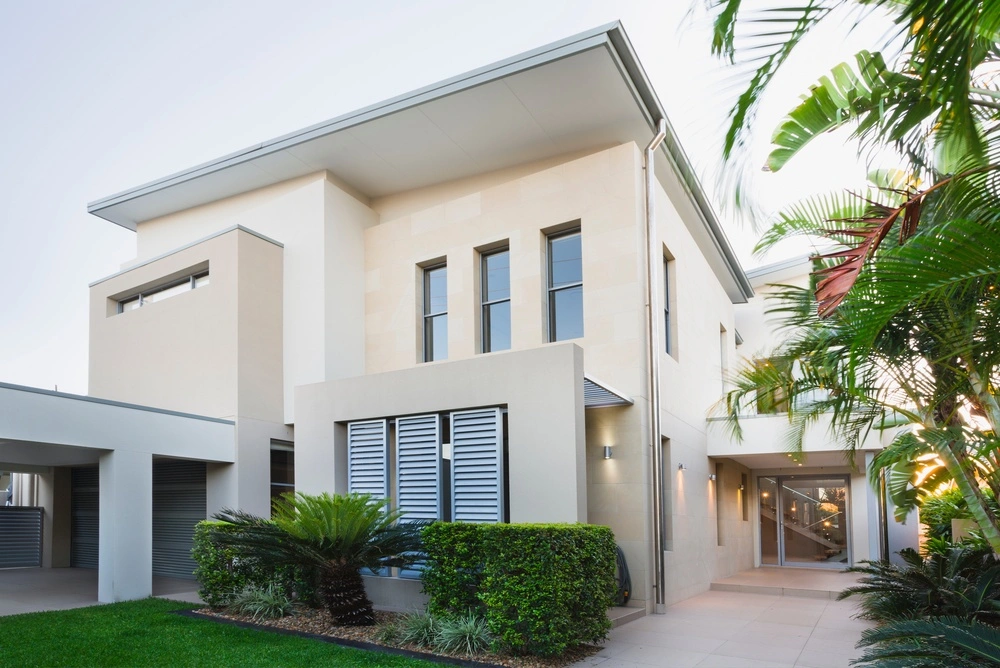
How Long Exterior Render Typically Lasts and What Influences Its Durability
Most modern exterior render systems in Australia are designed to last several decades if they are correctly specified, applied and maintained. In Newcastle’s coastal environment, a well-installed render can generally last between 20 and 40 years before major refurbishment is required. However, homes closer to the coastline or in highly exposed suburbs may experience slightly shorter lifespans due to salt-laden air, strong winds and heavy rain events.
Durability is not just about the product chosen. It also depends on how suitable the system is for the building, how well it is installed and whether basic maintenance is carried out when required. In coastal NSW conditions, correct specification is especially important.
Typical Lifespan by Render Type
Different render materials respond differently to Newcastle’s climate.
Traditional sand and cement render is common across older Newcastle homes. When properly mixed and applied, it can last 20 to 30 years. It is strong but relatively rigid, making it more prone to hairline cracking where there is building movement or thermal expansion during hot summers. Without protective coatings, it may also stain or weather more quickly in coastal air.
Monocouche render, a through-coloured cement-based render, typically offers a similar 20 to 30 year lifespan. Because the colour runs through the material, it does not rely on paint. However, in suburbs exposed to ocean winds, salt and driving rain can affect its appearance over time if the correct specification and detailing are not used.
Acrylic and silicone render systems are generally more flexible, making them better suited to modern homes with lightweight construction. When installed correctly with a compatible basecoat and reinforcement mesh, these systems can often last 25 to 40 years. Silicone renders in particular are highly water-repellent and resist dirt build-up, which is beneficial in Newcastle’s humid and coastal conditions.
Lime render is occasionally used on heritage or older solid-wall properties. When matched correctly to the substrate and maintained with breathable coatings, it can be very long-lasting, sometimes exceeding 40 years. Its breathability makes it suitable for older homes that need to manage moisture naturally.
Key Factors That Affect Durability
Newcastle’s climate plays a major role in render performance. Coastal exposure is one of the biggest influences. Homes in areas such as Merewether, Bar Beach or Stockton are exposed to salt spray and strong onshore winds. Salt can accelerate surface breakdown if the render system is not properly sealed or specified for marine conditions.
Heavy rainfall events and East Coast lows can also test the waterproofing capability of render systems. South- and east-facing walls often age faster due to higher exposure to wind-driven rain.
Heat and UV exposure are equally important. Western-facing elevations absorb significant afternoon heat during Newcastle summers. Repeated expansion and contraction can stress rigid render systems and increase the risk of cracking.
Substrate preparation is critical. Render applied to stable, well-prepared masonry will last significantly longer than render applied to poorly prepared or damp surfaces. Existing cracks, rising damp or salt contamination in brickwork can telegraph through and shorten the render’s lifespan.
Installation quality remains one of the most important factors. Correct mix ratios, appropriate thickness, use of reinforcing mesh, proper curing times and careful detailing around windows, doors and control joints all determine long-term performance. Even high-end products can fail prematurely if installation standards are not met.
Ongoing maintenance also plays a significant role. Regular inspections, gentle cleaning and prompt repair of minor cracks can extend service life considerably.
Signs Exterior Render Is Deteriorating or Failing
Exterior render rarely fails without warning. In Newcastle and surrounding coastal suburbs, early signs of deterioration often become more visible after heavy rainfall, East Coast lows or prolonged humid periods. Regular visual checks, especially after storms, can help identify issues before they escalate into widespread failure that may ultimately require professional render repairs in Newcastle.
Because Newcastle properties can experience salt-laden air, high UV exposure and significant seasonal temperature shifts, deterioration may develop gradually and then accelerate once moisture begins penetrating behind the surface. Understanding what to look for allows property owners to intervene early and avoid larger structural problems or more extensive render repairs in Newcastle later on.
Cracking and Movement
Cracks are one of the most common and visible warning signs. Fine hairline cracks under 1 mm wide may simply be shrinkage cracks within the render itself. While these are often superficial, they should still be monitored and, where necessary, sealed to prevent moisture ingress. In coastal NSW conditions, even small cracks can allow salt and wind-driven rain to track into the system over time.
Wider cracks, stepped cracking or long vertical cracks can indicate structural movement in the building or failure within the render system. These types of cracks should not be ignored, as they may point to movement in the substrate rather than just surface shrinkage. Left unattended, they often progress to areas that require targeted render repairs in Newcastle to restore both appearance and weather protection.
Particular attention should be paid to cracks around window heads, door frames, control joints and slab levels. These areas experience natural stress from structural loads and thermal expansion. In Newcastle’s hot summers, repeated expansion and contraction can place additional strain on rigid render systems. If staining, dark streaking or green algae growth appears along a crack, it usually suggests water has been penetrating behind the surface for some time and professional assessment is advisable.
Blistering, Hollow Sounds and Detachment
Render that is losing its bond to the underlying substrate often shows visible swelling, blistering or slight bulging. In coastal environments, prolonged exposure to damp conditions, poor substrate preparation or salt contamination can contribute to bond failure.
Tapping the surface lightly can reveal differences in sound. Areas that remain firmly bonded will produce a solid, dense sound, while sections that have debonded will often sound hollow or drummy. This hollow sound indicates that the render has separated from the masonry or backing surface.
Once detachment begins, moisture can become trapped behind the render. Over time, these areas may crack around the edges, flake away or fall off completely. In Newcastle’s humid conditions, trapped moisture can accelerate deterioration of both the render and the underlying substrate. When this stage is reached, localised removal and professional render repairs in Newcastle are usually necessary to prevent further spread.
Discolouration, Staining and Surface Breakdown
Surface changes are often the first sign homeowners notice. Patchy fading may simply be natural ageing due to UV exposure, particularly on north- and west-facing elevations. However, uneven dark streaks, tide marks or persistent damp patches usually indicate ongoing moisture issues.
Salt staining is particularly relevant in coastal suburbs such as Merewether, Bar Beach and Stockton. Salt can migrate to the surface, leaving white deposits or accelerating surface breakdown if the system is not adequately sealed. Brown or rust-coloured stains may suggest corroding metal components behind the render, such as fixings or lintels, which can expand and cause cracking.
Green algae or black mould growth typically indicates that the surface remains damp for extended periods. While this may initially appear cosmetic, persistent moisture can weaken the outer finish and lead to surface breakdown that eventually requires corrective render repairs in Newcastle to restore both durability and visual consistency.
Powdery or chalky residue when rubbing the surface, along with flaking or erosion on exposed corners and edges, suggests the protective outer layer has worn down. In high-exposure Newcastle locations, strong winds combined with airborne salt can gradually erode finishes if they are not properly specified or maintained.
How Maintenance and Repairs Extend the Life of Exterior Render
Regular care is one of the most important factors in determining how long exterior render will last. Even a high-quality system can deteriorate prematurely if it is neglected, while a well-maintained render in Newcastle’s coastal environment can exceed its expected lifespan. Routine cleaning, periodic inspections and prompt minor repairs prevent small surface defects from developing into water ingress, structural damage and more extensive render repairs in Newcastle.
Preventative maintenance is significantly more cost-effective and less disruptive than removing and re-rendering large sections of a façade. A simple annual check, combined with timely attention to minor defects, can preserve both the structural integrity and visual finish of rendered surfaces for decades.
Routine Cleaning and Basic Upkeep
Dirt, algae and airborne salt do more than affect appearance. In coastal NSW conditions, these deposits trap moisture against the surface, increasing the likelihood of staining, surface breakdown and gradual bond failure. Regular but gentle cleaning allows the render to dry properly and reduces long-term deterioration.
For most modern through-coloured and silicone render systems, a light wash every 12 to 24 months is generally sufficient. This typically involves low-pressure water and a soft brush, or a mild cleaner that is compatible with the specific render system. High-pressure washing or aggressive scrubbing can damage the surface texture and strip protective finishes, shortening the lifespan of the render.
Gutters, downpipes and overflow points should also be checked regularly. Blocked or leaking drainage systems create persistent damp patches on rendered walls. Over time, these wet areas often lead to blown sections, algae growth and hollow-sounding areas that may eventually require targeted render repairs in Newcastle. Addressing drainage issues early is one of the simplest ways to protect the façade.
Regular Inspections to Catch Issues Early
Visual inspections once or twice a year are highly effective in extending render lifespan. The goal is to identify early warning signs before moisture penetrates behind the system and compromises larger areas.
Things to look for include:
- Hairline cracks, particularly around window corners and movement joints
- Localised discolouration, damp patches or green growth
- Hollow or drummy sounds when tapping the surface lightly
- Flaking paint or deteriorating topcoats on older painted systems
Small hairline cracks in certain systems can often be sealed while the background remains sound. If ignored, these cracks can widen and allow moisture into the substrate, leading to debonding and sections that ultimately require more significant render repairs in Newcastle.
Homes in exposed coastal suburbs such as Merewether, Stockton or Bar Beach may benefit from periodic professional assessments, particularly after major storm events. Early identification of movement or substrate issues reduces the likelihood of widespread failure.
Targeted Repairs and Refreshing the Finish
When deterioration is identified early, repairs can usually remain localised and unobtrusive. Preventing moisture from tracking behind the render is critical, as trapped water can undermine larger sections and accelerate failure.
Common lifespan-extending repairs include:
- Removing and replacing small blown or hollow patches
- Filling and reinforcing cracks with compatible repair systems
- Re-sealing around windows, doors and service penetrations
- Applying a compatible silicone or acrylic topcoat to restore water repellency
Using appropriate proprietary materials and colour-matched finishes is essential. Incompatible cement patches or non-breathable coatings can trap moisture, accelerate deterioration and create visible inconsistencies that weather differently from the surrounding surface.
For certain systems, applying a refresh coating every 10 to 15 years can significantly extend service life. Reinstating water resistance and UV protection helps shield the basecoat and reinforcing mesh from Newcastle’s coastal exposure, reducing the need for larger-scale render repairs in Newcastle in the future.
In summary, the lifespan of exterior render depends on selecting the right system, ensuring proper installation and maintaining it appropriately for Newcastle’s coastal conditions. Material choice, building movement, exposure to salt air and heavy rainfall, and ongoing upkeep all influence how long a render finish will perform.
Recognising early warning signs and addressing minor defects promptly can prevent more serious deterioration and reduce the need for extensive render repairs in Newcastle. When properly specified, applied and maintained, exterior render can deliver decades of protection and visual appeal in coastal NSW.

