
Living near the coast of Newcastle brings fresh air and relaxed vibes, but it can be tough on exterior surfaces if they are not properly protected. Salt in the air with strong sunlight and constant moisture all work away at finishes over time and can leave walls looking worn far too soon. Our team at BBS Rendering sees how the right care and protection can make a huge difference to how long rendered surfaces last and how good they continue to look. With the right approach to rendering in Newcastle, you can keep your walls strong and clean even in harsh seaside conditions.
Protecting these surfaces is not about one single product or quick fix but a mix of smart choices from the start and consistent care over time. The selection of materials and the frequency of surface cleaning all significantly influence the long-term outcomes. Small problems that are ignored can quickly turn into big costly repairs if coastal conditions are left to do their worst. A proactive approach is the easiest way to avoid stress and protect your investment.
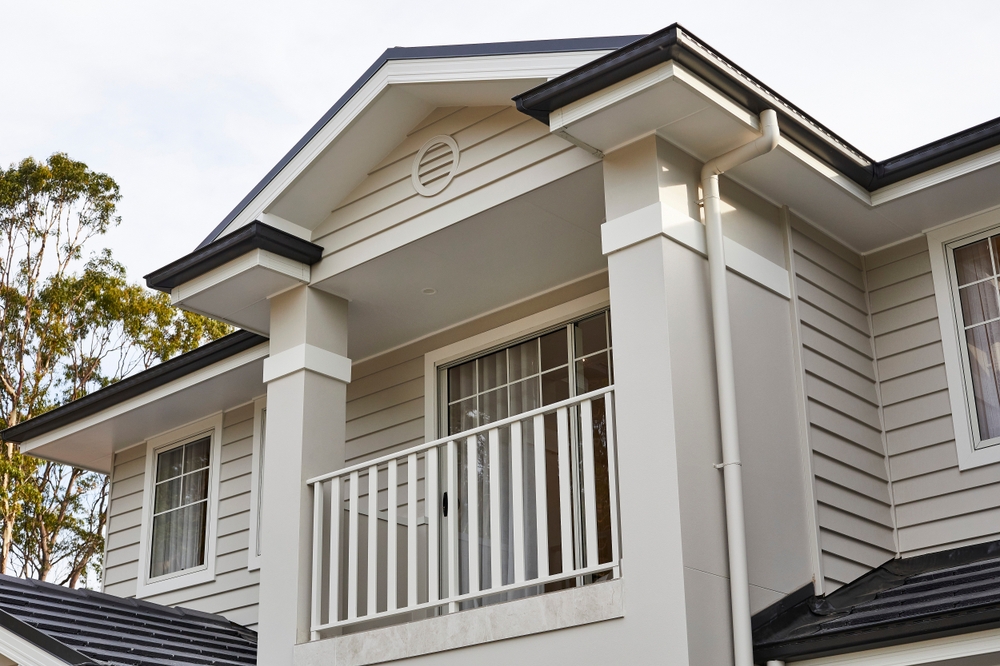
Why Coastal Conditions Damage Rendered Walls
Coastal environments place constant pressure on exterior finishes through a mix of salt and moisture or heat and strong light. These elements slowly wear down surface layers and can push moisture into tiny cracks that are not always easy to see at first. Over time this leads to surface weakening and hidden damage within the wall system. Understanding how these factors work helps make better decisions when it comes to protection and maintenance.
Salt Air and Surface Breakdown
Salt carried in the air settles on walls and slowly works its way into the surface layer, where it begins to weaken the bond within the finish. As this process continues, the surface can start to powder or flake or even lose its smooth appearance much earlier than expected. The damage often builds quietly and is usually noticed only once visible wear becomes obvious.
- Fine salt particles land on exterior walls every day and slowly draw moisture into the surface, weakening the outer layer and increases the chance of cracking and surface failure.
- Salt residue left on walls after sea breezes can speed up surface wear, especially when it mixes with rainwater and dries repeatedly over short cycles.
- Over time this constant exposure can reduce the life of the finish and lead to early patching or full surface renewal if not managed properly.
Humidity and Mould Risk
Coastal air carries high moisture levels for most of the year, which keeps exterior surfaces damp far longer than inland areas. When moisture sits on walls daily, it slowly seeps into fine openings and creates ideal conditions for mould and mildew to grow. This not only affects appearance but can also weaken surface layers over time.
- Constant humidity means walls take longer to dry after rain, leaving moisture trapped in surface pores and increases the risk of discolouration and microbial growth.
- Damp shaded areas of the home are especially prone to mould build-up, which can spread quickly and leave unsightly stains that are hard to remove without proper treatment.
- Ongoing moisture exposure can lead to softening of surface layers, making the finish more vulnerable to cracking and physical damage.
UV Exposure and Heat Stress on Render
Strong sunlight and constant heat cause surface materials to expand and contract on a daily basis. This repeated movement slowly weakens the surface and can lead to fine cracking and surface roughness. Darker colours are especially affected, as they absorb more heat throughout the day.
- Prolonged sun exposure breaks down surface binders, leading to faded colour and weaker surface strength over time.
- Daily heating and cooling cycles place stress on the surface and underlying structure, encouraging hairline cracking that can grow with ongoing exposure.
- Heat also speeds up moisture loss from the surface, which can make the finish brittle and more likely to suffer from surface breakdown.
How to Protect Rendered Walls in Coastal Homes
Protecting exterior surfaces in coastal conditions requires a layered approach that deals with moisture or salt and sunlight all at once. The right materials combined with smart surface treatments and consistent care all work together to extend the life of the finish. Early detection of small issues also plays a major role in avoiding major repairs later. With the right routine even harsh coastal conditions can be managed effectively.
Choosing the Right Render Type and Protective Coatings
The type of finish used and the quality of surface coatings make a major difference to how well walls stand up to coastal exposure. Some finishes are far better at resisting moisture and salt than others, and modern coatings can add an extra barrier of protection. Making the right choice at the beginning saves ongoing maintenance later.
- High-quality surface systems with added flexibility resist cracking better and allow natural wall movement without surface failure under changing temperatures.
- Protective coatings create a sealed outer layer that repels water and reduces the amount of salt that can settle into the surface over time.
- Light reflective finishes help reduce heat absorption, lowering surface stress and helps maintain colour strength for longer.
Regular Cleaning and Maintenance Routines
Keeping exterior walls clean is one of the simplest and most effective ways to slow down coastal damage. Removing salt residue and organic growth before it builds up helps protect the surface from long-term wear. A steady maintenance routine also makes it easier to spot small issues early.
- Gentle washing removes salt deposits that would otherwise draw moisture into the surface and speed up surface breakdown.
- Clearing mould and mildew early prevents staining and helps maintain a healthy and clean surface that dries properly after rain.
- Regular inspections during cleaning allow hairline cracks or early wear to be treated before they turn into costly repairs.
Preventing Damage With Proper Drainage and Sealing
Water management around the home is just as important as surface protection itself. Poor drainage allows water to pool near walls, increasing moisture exposure and surface stress. Proper sealing of joints and openings also prevents water from entering problem areas.
- Well-directed roof water runoff reduces splashback onto walls, limiting direct moisture contact and lowers long-term surface wear.
- Sealing around windows or doors and wall joints prevents hidden water entry that often causes unseen internal surface damage.
- Good ground drainage keeps moisture away from the base of the walls, protecting the surface and the structure beneath.
When to Get a Professional Renderer to Repair Early Issues
Early professional repair work can stop minor surface problems from becoming major restoration jobs. Small cracks or bubbling or even surface softness are signs that attention is needed sooner rather than later. Fast action helps preserve both the appearance and strength of the surface.
- Fine cracking that is repaired early prevents moisture from entering deeper layers, reducing long-term damage risk.
- Localised surface softening can often be stabilised without full surface replacement when addressed at the first signs.
- Professional assessment ensures the real cause of wear is treated and not just the visible surface symptoms.
Protecting exterior surfaces in coastal environments is all about smart choices with steady care and early action. Salt moisture and strong sunlight will always be part of life near the sea, but their impact can be greatly reduced with the right approach. When surfaces are properly selected and maintained, they stay stronger and better looking for far longer. Small efforts done regularly save major expense and stress down the track.
With the right protection strategy, homes can enjoy the coastal lifestyle without worrying about constant surface damage. Each simple step from cleaning through to drainage and early repairs plays a part in keeping walls in great shape year after year. If you need guidance or professional support with protecting your exterior finishes, BBS Rendering is always ready to help keep your walls looking their best.

