
Cement render and acrylic render are often mentioned in the same breath, yet they perform very differently on Newcastle homes. Between the region’s coastal air, periods of heavy rain and hot summer sun, local properties face conditions that demand the right exterior finish. In this article, BBS Rendering explores how traditional cement render compares with modern acrylic systems, specifically in the context of Newcastle’s climate, building styles and renovation trends. Readers will see how each option behaves on brick weatherboard and blockwork and what that means for longevity, appearance and maintenance.
By the end, property owners will understand the real trade-offs between cost and durability, the visual outcomes they can expect and how factors like cracking, water resistance and drying times affect day-to-day living during and after the project. BBS Rendering will also highlight where each product performs best on new builds versus older homes and heritage facades so homeowners can approach quotes and contractor recommendations with confidence. This insight equips Newcastle residents to choose a render that does more than look good on day one; it helps protect their investment and support the long-term value of their property.
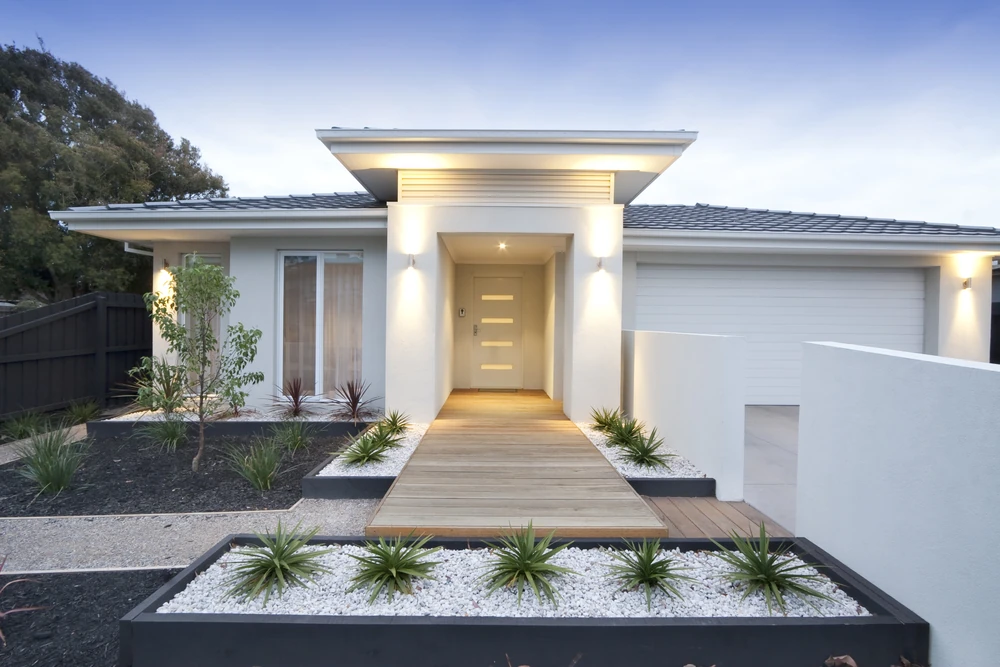
Key Differences Between Cement and Acrylic Render
Homeowners comparing cement and acrylic render are usually trying to balance cost, appearance, durability and maintenance. Both options can perform well on Newcastle properties, but they behave quite differently in local, coastal and humid conditions. Understanding these key differences helps ensure the chosen system matches the home’s age, structure and exposure.
Rendering specialists often recommend one product over the other based on the substrate, desired finish and how much movement or moisture the walls are likely to experience. Below are the practical points that matter most for Newcastle homes.
Composition and Flexibility
Cement render is a traditional sand and cement mix that cures to a hard, rigid finish. It relies on the strength of the masonry beneath and has limited flexibility. On older brickwork or houses with minor movement, this rigidity can lead to hairline cracking if the substrate shifts or settles.
Acrylic render is a polymer-modified product that uses acrylic resins to create a more flexible coating. It can accommodate more movement without cracking, which is especially useful on lightweight cladding, Blueboard or homes exposed to coastal winds. For Newcastle’s mix of brick veneer and newer framed construction, acrylic systems often provide greater long-term stability.
Appearance, Texture and Colour
Cement render typically delivers a more traditional, solid masonry look. Finishes range from coarse to relatively smooth, but the surface often shows a subtle, natural variation that suits heritage or older suburbs. Cement render is usually painted after curing, which adds an extra step but allows easy colour changes later.
Acrylic render systems are available in a wider variety of textures, from very fine modern finishes to more pronounced patterns. Many acrylic coatings can be tinted in the bucket, which means the colour is integrated rather than just sitting on the surface. This helps colour last longer in Newcastle’s strong coastal sun and reduces the need for frequent repainting.
Durability, Weather Resistance and Maintenance
Homeowners in Newcastle usually want a render finish that will handle coastal air, summer heat and occasional heavy rain without constant repairs. Cement render and acrylic render perform differently over time, and understanding these differences helps set realistic expectations for lifespan, upkeep and the likelihood of needing render repairs in Newcastle as the finish ages.
Traditional cement render is very hard once cured and can last for decades if applied correctly and kept painted. It handles knocks and abrasion well, which suits high-traffic areas or older masonry walls. However, it is more porous than acrylic, so it can absorb moisture and salts, which may shorten its life in exposed coastal suburbs if not sealed and maintained.
Cost, Application and Drying Time
Cement render usually has a lower material cost but needs more site mixing and can require more labour to achieve very smooth finishes. It also needs longer curing times before painting, which can extend the project timeline.
Acrylic systems generally cost more per square metre but can be faster to apply, especially over suitable base coats. They dry and cure more quickly, which is useful in Newcastle’s changeable weather, as it reduces the window where rain or high humidity can affect the finish.
Which Performs Better in Newcastle’s Coastal Climate?
In Newcastle’s salty, windy and often humid conditions, the choice between cement render and acrylic render has a big impact on how long exterior walls stay sound and attractive. Both options can work, but they perform quite differently when exposed to sea air, driving rain and strong UV.
In many exposed coastal suburbs from Merewether and Bar Beach through to Stockton, acrylic render will often provide better long-term performance than traditional cement render, particularly on lightweight or movement-prone substrates. Cement render can still be suitable in the right situations, but it generally needs more maintenance and careful detailing to cope with coastal exposure.
Salt, Moisture and Cracking
Newcastle’s sea breeze carries salt that settles on exterior walls. Salt and moisture work together to attack weak points in a render system. Cement render is hard and brittle, so it is more prone to hairline cracking as buildings move slightly with temperature and moisture changes. Once cracks form, salty moisture can soak in and slowly damage both the render and the substrate.
Acrylic render has flexible polymers that allow it to move slightly with the building. This flexibility helps resist shrinkage and hairline cracking that are common along coastal streets. Fewer cracks mean less chance of salt and water getting behind the coating, which reduces issues like debonding and internal damp patches.
On older brick or block homes that already show movement cracks, acrylic render applied over the right primer and mesh reinforcement usually provides a more forgiving coastal solution than a stiff cement render.
Durability, Colour and UV Exposure
Coastal homes around Newcastle receive strong sunlight and wind-driven rain that quickly reveal the weaknesses in cheaper finishes. Cement render on its own is not waterproof and usually needs a separate paint system for protection. Over time UV and salt can cause the paint to chalk or peel, which then exposes the cement render to moisture and accelerates wear.
Most acrylic render systems are designed to be water resistant and are finished with an acrylic texture coat or membrane paint that is also flexible. This combination performs well against Newcastle’s intense UV and frequent coastal storms, helping colours stay truer and surfaces cleaner for longer. Acrylic finishes also tend to resist microcracking around window heads and parapets where cement render often deteriorates first.
For homes close to the beach where facades cop direct salt spray, acrylic generally maintains its appearance and integrity longer than a painted cement render system, provided it is washed down periodically.
Maintenance and Suitability for Different Substrates
Cement render can still be a solid option in Newcastle on more sheltered walls or where owners prefer a traditional hard plaster look on solid masonry. It suits brick and blockwork but is generally less compatible with lightweight cladding systems, such as Hebel, fibre cement and other substrates that are more sensitive to moisture and movement.
Acrylic render is usually the better coastal performer on:
- Lightweight cladding and Hebel
- Upper-storey walls exposed to strong wind and driving rain
- Architecturally detailed facades with lots of joints and projections
Acrylic systems usually require less ongoing maintenance, with periodic washing helping remove dirt and salt deposits. Cement-rendered surfaces in coastal locations often need more frequent repainting and repair of cracks if the owner wants to keep moisture out and finishes looking sharp. For many Newcastle coastal homes, rendering specialists recommend acrylic render as the more robust long-term solution.
Durability, Cracking and Maintenance
Homeowners in Newcastle usually want a render finish that will handle coastal air, summer heat and occasional heavy rain without constant repairs. Cement render and acrylic render perform differently over time, and understanding these differences helps set realistic expectations for lifespan and upkeep.
Durability in Newcastle Conditions
Traditional cement render is very hard once cured and can last for decades if applied correctly and kept painted. It handles knocks and abrasion well, which suits high traffic areas or older masonry walls. However, it is more porous than acrylic, so it can absorb moisture and salts, which may shorten its life in exposed coastal suburbs if not sealed and maintained.
Acrylic render is formulated with flexible polymers that handle Newcastle’s temperature swings and sea breezes more comfortably. It is less prone to UV degradation and resists hairline crazing better than plain cement. On newer lightweight substrates such as Hebel or blueboard, acrylic systems usually provide a longer service life because they move with the wall rather than fighting against it.
Cracking and Movement
Cement render is rigid. On older brickwork that has fully settled, this can be an advantage. On newer homes or on walls exposed to structural movement, it becomes a weakness. Common issues include:
- Hairline surface cracks from shrinkage during curing
- Vertical cracks following mortar joints where the wall moves slightly
- Larger cracks around windows and doors if no control joints were allowed for
These cracks let moisture in and can lead to drumming or delamination if ignored. Correct mix ratios, appropriate thickness and proper curing can minimise problems but not eliminate them.
Acrylic render is far more flexible, so it handles minor building movement and vibration better. When applied over a suitable base coat and mesh reinforcement, it significantly reduces the risk of visible cracking. Movement joints are still required in long walls, but the finish is more forgiving, which is a key reason many Newcastle homeowners choose acrylic over cement on newer builds and second-storey extensions.
Maintenance Requirements
Cement rendering generally requires more ongoing attention. It should be:
- Painted or sealed to limit moisture and salt ingress
- Inspected for cracks every couple of years, especially on coastal or exposed elevations
- Repaired promptly with compatible materials to stop water tracking behind the surface
If neglected, small cracks can widen and patches can debond, leading to more involved remedial work.
Acrylic render usually needs less maintenance. The finish coat is already water resistant and colour stable, so routine care often comes down to an occasional soft wash to remove dust or salt film. Small chips or impacts are simple to touch up if colour-matched products are available. Over a 10- to 15-year period the typical Newcastle home will spend less on repairs and repainting when finished in a quality acrylic system installed by experienced applicators.
Cost Comparison and Long-Term Value
Homeowners in Newcastle usually want to know which option will cost more upfront and which will perform better over time in the local climate. Cement render and acrylic render sit at different price points, but the cheapest quote is not always the best value when coastal conditions, movement in brickwork and maintenance are considered.
Rendering specialists usually suggest assessing each project by the expected lifespan of the finish, the total cost over 15 to 20 years and the homeowner’s tolerance for future maintenance rather than comparing only the first quote.
Upfront Costs in Newcastle
Cement render is typically the lower cost option per square metre. Materials are inexpensive, and most local trades are familiar with traditional sand and cement mixes. For straightforward single-storey brick homes,this often makes cement render attractive for tight budgets or large wall areas.
Acrylic render systems usually cost more per square metre because the bagged acrylic products are more expensive, and they are often applied in multiple coats with a specialist finish. If a coloured acrylic texture coat is used, this can lift the price again because it replaces separate painting.
In practical terms, Newcastle homeowners will often find:
- Basic cement render + paint is usually the lowest upfront price.
- Cement render + decorative finish sits in the middle
- Acrylic render + acrylic texture and sealer is usually the premium option.
However, site access, wall condition and the required level of surface perfection can shift these ranges, so rendering specialists always inspect before final pricing.
Maintenance, Repairs and Repainting
Over time the softer acrylic binders in acrylic render cope better with minor movement and thermal expansion. In areas of Newcastle with reactive soils or new estates where homes are still settling, there is a higher risk of fine cracking in cement render. These cracks can allow water ingress, which then leads to more patching and repainting.
Cement render usually relies heavily on the paint system for water resistance. When the paint starts to chalk or peel, moisture can track into the render and the substrate. This is a particular concern in coastal suburbs where salt spray and strong winds accelerate paint breakdown. As a result, cement-rendered homes often require more frequent repainting and occasional render repairs over 10 to 15 years.
The acrylic render is more water resistant and strongly bonded to the wall. When combined with an acrylic texture coat, it forms a flexible protective skin that tends to hold up better against salt air, hail and heavy rain. Maintenance usually involves gentle washing and much less frequent recoating, which can offset the higher initial outlay.
Long-Term Value for Newcastle Conditions
In many inland or sheltered suburbs, cement render can provide very good value if installed correctly on a stable structure and finished with a quality paint system. The lower initial cost can be justified when movement is minimal and the owner is comfortable budgeting for repainting at standard intervals.
For homes in exposed positions near the coast or on sloping blocks where movement is more likely, acrylic render often delivers better long-term value. The higher upfront price can be balanced by fewer repairs, less visible cracking and longer intervals between major maintenance.
Rendering specialists usually suggest assessing each project by the expected lifespan of the finished total cost over 15 to 20 years and the homeowner’s tolerance for future maintenance rather than comparing only the first quote.
Which Option Is Right for Your Home?
Choosing between cement render and acrylic render comes down to how the home will be used, how exposed it is to Newcastle’s coastal weather and what finish the owner prefers. Both systems can perform well if installed correctly, but they suit different needs, budgets and design goals.
Rendering specialists help Newcastle homeowners decide by weighing up the building type, existing surface condition and the look they want for long-term maintenance and project timelines.Choosing between cement render and acrylic render comes down to how the home will be used, how exposed it is to Newcastle’s coastal weather and what finish the owner prefers. Both systems can perform well if installed correctly, but they suit different needs, budgets and design goals. Rendering specialists help Newcastle homeowners decide by weighing up the building type, existing surface condition and the look they want, along with long-term maintenance and project timelines.
When Cement Render Is the Better Choice
Cement render usually suits straightforward projects where a strong, cost-effective and traditional finish is the priority.
It is often the right option when:
- The home has sound brick or blockwork with minimal movement.
- The owner wants a classic flat or lightly textured look ready for paint.
- Budget control is more important than having a flexible textured system.
For many older brick homes in suburbs like Wallsend, Mayfield or Hamilton, cement render can tidy uneven walls and create a clean base for modern paint colours. It is also suitable where the structure is very solid, for example, double brick or block retaining walls that are not prone to minor flexing.
Cement render can cope with Newcastle’s weather if it is mixed, applied and cured correctly and then sealed and painted. However, the owner should accept that small hairline cracks are more likely over time, particularly where the home has some movement or sits on reactive soil.
When Acrylic Render Is the Better Choice
Acrylic render suits properties that need more flexibility, weather resistance and design options, which is common in coastal and newer estates across Newcastle and Lake Macquarie.
It is often the better choice when:
- The home uses lightweight cladding such as Hebel, Blueboard or some fibre cement products.
- The site is exposed to strong coastal winds and salt air.
- The owner wants a modern textured finish or coloured render system.
- Faster curing and shorter project times are important.
Acrylic render can bridge small movements in walls more effectively, which reduces the risk of visible cracking. This is valuable in newer homes that may still be settling or on sites with softer soils around areas like Fletcher, Cameron Park or Maryland.
Because acrylic systems are more water resistant, they can deal better with wind-driven rain and salt exposure found in coastal suburbs like Merewether, Stockton or Redhead, provided detailing and waterproofing are done correctly.
Other Factors to Consider
Rendering specialists will also look at practical project constraints. For tight access sites or complex facades, the lighter application and quicker drying of acrylic render can reduce disruption. For large boundary walls or fences where a simple flat painted finish is fine, a cement render system can keep costs lower while still improving appearance.
Existing coatings matter too. Where old paint is sound, acrylic render can often be applied over suitable primers. Where surfaces are rough or previously patched, cement render might be used first to straighten walls and then finished with acrylic texture and paint for added protection and style.
Choosing between cement render and acrylic render for a Newcastle home comes down to balancing performance, appearance and budget with the demands of a coastal climate. Cement render offers a traditional, cost-effective and durable option with a classic finish, suited to homeowners comfortable with simpler aesthetics and maintenance. Acrylic render provides greater flexibility, crack resistance and design versatility, with a wider range of textures and colours that generally better withstand salt air, humidity and temperature changes.
As outlined, each system differs in preparation, application, curing, longevity and long-term value. Ultimately, the key is selecting the right product for your home’s substrate, style and long-term goals because when installed professionally, both options can deliver a high-quality, long-lasting finish that enhances and protects your Newcastle property.

